Researched · maker pages, spec sheets, published studies and third-party reviews compared, not hands-on
As an Amazon Associate I earn from qualifying purchases. We may earn a commission when you buy through links on this page, at no extra cost to you. How that works.
The UPLIFT Fit Motion Board is the best balance board for a standing desk for most people. It sits low, it’s rated to 350 lb, and four optional bumpers turn its tilt down from 8° to 5°. The trade-off: no outlet has published a test of it, so it leads on UPLIFT’s own figures.
Every board here lifts you 2.1 to 4 in, so your desk has to rise by the same amount. Check its top setting before you choose.
These are seven boards their makers still sell, compared on height, motion, weight rating and deck size. Specs are the maker’s unless we say otherwise.
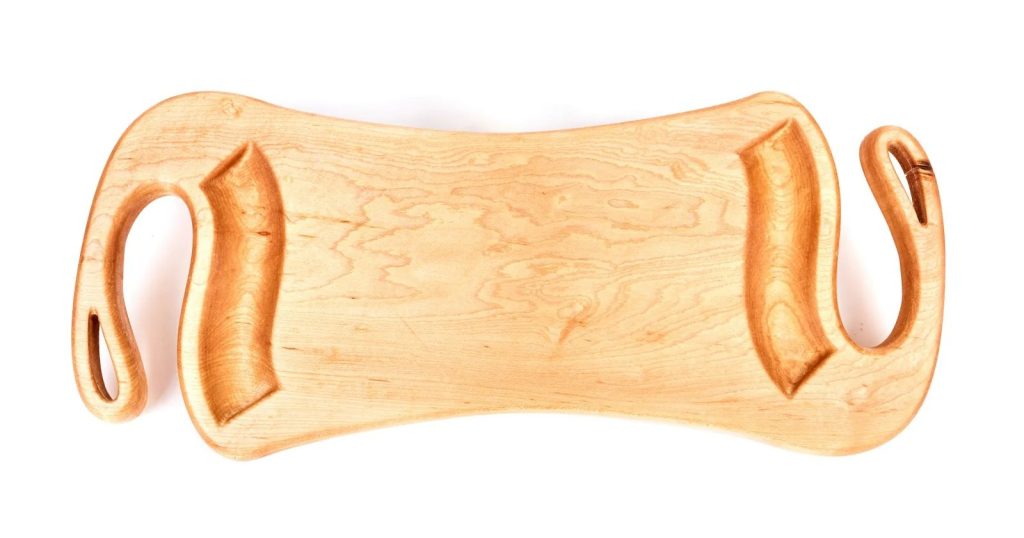
Verdict
New to boards? Start on the Fit Motion with its bumpers in. Desk near its top setting? The Steppie is the lowest here; the Motion-X moves every way for 0.2 in more.
On carpet, get the FluidStance Level; barefoot or in socks, the Plane Cloud. Heavier users get the most headroom from the FluidStance Original, and in a cubicle the StrongTek Large takes the least floor.
| Pick | Best for | Height | Motion | Rated to | Deck | Where to buy |
|---|---|---|---|---|---|---|
| UPLIFT Fit Motion Board | Best overall | 2.4 in | Rocker, 5–8° | 350 lb | 19.7 × 13.8 in | See at UPLIFT |
| FluidStance Level | Carpet | 2.5 in | 360° | 300 lb | 26.5 × 12.2 in | See at FluidStance |
| FluidStance Plane Cloud | Soft top | 3 in | 360° | 250 lb | 24 × 12 in | See at FluidStance |
| Steppie Balance Board | Lowest | 2.1 in | Rocker | 440 lb | 22.4 × 14.5 in | See at Victor |
| UPLIFT Bamboo Motion-X | Low, any direction | 2.3 in | Dome | 250 lb | 27 × 12.5 in | See at UPLIFT |
| FluidStance Original | Heavy users | 2.5 in | 360°, adjustable | 450 lb | 26.5 × 12.2 in | See at FluidStance |
| StrongTek Professional Wooden Board | Small spaces | 3.25 in | Rocker | 350 lb | 17.5 × 13.5 in | See at StrongTek |
Where a maker lists two figures, the table shows the taller height and the lower weight rating. StrongTek’s Large size is shown; its Extra Large is bigger and taller.
On this page · 18
How much higher does a balance board make your desk need to go?
By the board’s height, exactly. Standing on it lifts your elbows by that much, and the keyboard has to follow them up.
The site’s average estimate puts your desktop at about 0.63 times your height in inches, near your bare elbow; our standing desk height guide lists the sources. For your own number, measure from the floor to the underside of your forearm at the elbow, in your work shoes, then subtract the height of your keyboard’s home row.
Say you’re 5’8″ (68 in). Standing on the floor, your desk goes at about 42.8 in (0.63 × 68).
On the Fit Motion, which UPLIFT lists at 2.4 in, the desk now has to reach 45.2 in. On the StrongTek Large, about 3.25 in under your feet, it has to reach 46.1 in.
| Your height | Desk height on a 2.1 in board | Desk height on a 2.4 in board | Desk height on a 3.25 in board |
|---|---|---|---|
| 5’0″ (152 cm) | 39.9 in | 40.2 in | 41.0 in |
| 5’4″ (163 cm) | 42.4 in | 42.7 in | 43.6 in |
| 5’8″ (173 cm) | 44.9 in | 45.2 in | 46.1 in |
| 6’0″ (183 cm) | 47.5 in | 47.8 in | 48.6 in |
| 6’4″ (193 cm) | 50.0 in | 50.3 in | 51.1 in |
Next, look up your desk’s maximum height and check whether it’s for the frame alone or includes the top. For a frame-only figure, add your top’s thickness, then compare the total with your row. The FlexiSpot E7 Plus frame, for one, tops out at 51.6 in, or 52.6 in with a 1 in top. Within an inch of your row? Our standing desks for tall people go higher.

Measure before you buy
Stand on the floor in the shoes you work in and raise the desk until your forearms are level with the keyboard. Read the number on the display and add the board’s height.
Then add about an inch. A board lifts and drops you a little as it rocks, and that inch is our margin for it, not a maker figure. The total has to be at or under your desk’s highest setting. At 5’8″ on the Fit Motion, that’s about 46.2 in.
What to check before you buy a balance board for a standing desk
Height comes first, then motion, then weight rating. Get those three right and the rest is comfort.
- Height. Every inch the board adds uses up an inch of desk travel; check it against the table above.
- How it moves. Each type moves differently. A rocker tips along one line, a wobble or dome board tilts any way, and a 360° board such as the Level rocks and pivots. UPLIFT is the only maker here that prints a tilt angle. FluidStance gives an “ankle range of motion”, which describes your ankle, not the board, so the two can’t be compared.
- Weight rating. The seven run from 250 to 450 lb. Say you weigh 260 lb: the Motion-X and the Plane Cloud’s lower figure are already under you, so both are out before anything else matters.
- Surface. Felt, foam, bamboo, hard plastic and plywood all feel different underfoot. Bare wood can turn slick under socks, and FluidStance says so about its own wood deck.
- Floor. A rocker or dome presses on a narrow strip of floor, and plastic bases can mark it. Each pick’s Specs say what its maker states about floors. For carpet, the Level is the only pick a review backs.
- Where they sell. UPLIFT sells in the US; FluidStance ships from California. Neither lists other regions. Victor sells the Steppie in the US, and Steppie has dealers in Denmark and Europe. StrongTek sells from a US store in dollars, with listings in Canada and the UK.
- Warranty. UPLIFT gives 15 years and FluidStance a lifetime guarantee. Victor, which sells the Steppie in the US, gives 1 year, while Steppie’s Danish site says 10. StrongTek gives no warranty term.
- Returns. UPLIFT offers a 30-day trial and pays return shipping on like-new products in their original packaging from the contiguous US. StrongTek offers a 30-day money-back guarantee. Victor takes Steppie returns within 30 days, and you pay return shipping unless it’s defective. For the FluidStance boards, read the returns page before you order.

Which board fits a small space or cubicle?
The StrongTek Large takes the least floor, then the Fit Motion; the Motion-X takes the most. In a cubicle the board slides under the desk every time you sit, so a short deck that clears your chair’s casters beats a long one.
If the cubicle desk is the problem, our standing desks for cubicles guide starts with a converter that sits on the desk you already have.
The boards with a published weight come in at 5 to 8 lb, light enough to push aside with a foot.

How we picked seven balance boards
Every board had to be made for standing at a desk rather than for balance training, be on sale now, and have its height, weight rating and deck size published by its maker or US distributor. Then we matched one or two boards to each need.
Picks are researched, none were tested hands-on (how we research). WorkWhileWalking has reviewed four of the seven, and we quote it where it found a problem.
Reviewers don’t agree on a winner. How-To Geek puts the Plane Cloud first, and WorkWhileWalking rates it highest of the boards still sold here. The Fit Motion leads on UPLIFT’s figures: next to the Plane Cloud it’s 0.6 in lower and rated 100 lb higher, and its tilt is the only one published, with a way to turn it down.
Best overall: UPLIFT Fit Motion Board
Start here if you’ve never worked on a board. UPLIFT’s instructions give 8° of tilt as shipped and 5° with four optional bumpers screwed in. The bumpers, screws and washers come in the box; you supply a Phillips screwdriver.
Say you’re new and a little wary. Fit the bumpers for the first weeks, then take them off once the motion feels normal. Both angles are UPLIFT’s; no outlet has tested how gentle 5° feels.
That makes it a well-documented pick, not a proven one. UPLIFT’s manual says it works best on hard floors; on carpet, look at the Level.
Pros
- The only published tilt here, and you can turn it down
- Long warranty for a board
- Felt top that UPLIFT says gives traction
Cons
- Small deck for a wide stance
- Best on hard surfaces, per UPLIFT
Specs
- Height:
2.4 in(6.1 cm) - Motion: rocker,
8°tilt,5°with the optional bumpers - Capacity:
350 lb(159 kg) - Deck:
19.7 × 13.8 in(50 × 35 cm) - Weight: not listed on UPLIFT’s page or comparison chart
- Surface: wool felt top on a steel and molded-plastic body
- Floor: hard floors, per UPLIFT’s manual
- Warranty:
15 years
Source: UPLIFT Fit Motion Board page, instructions PDF and comparison chart, viewed Oct 15 and Nov 7, 2026. Sold in the US; UPLIFT’s page doesn’t list other regions.
Skip it if
- You stand with your feet wide apart; the Motion-X has the longest deck here.
- You want full-circle movement; UPLIFT’s chart lists twist and rotation, but its page and manual describe only tilt and rock, so ask UPLIFT first.
Best for carpeted offices: FluidStance Level
Get the Level if your desk sits on carpet. WorkWhileWalking (December 9, 2022) found it worked best there and said hard floors send every bump through the aluminum base.
Say your home office is carpeted wall to wall. UPLIFT recommends hard surfaces for the Fit Motion, and WorkWhileWalking found the Motion-X doesn’t suit carpet at all, so the Level is the one pick here with a review that backs it on your floor.
FluidStance’s pages disagree on two numbers. The product page rates it to 350 lb where most of the site says 300 lb, and its comparison table lists 2.375 in against 2.5 in elsewhere. Plan on 300 lb and the taller height. Socks slide on the wood, which is why FluidStance sells its UPmat pad for it.
Pros
- Full-circle rock and pivot
- Aluminum base with three deck choices
- Lifetime guarantee against defects
Cons
- Wood deck slides under socks
- Every bump comes through on bare floors
- Base scratches easily
Specs
- Height:
2.375–2.5 in(6.0–6.4 cm) across maker pages - Motion: 360° rock and pivot; ankle range of motion
23.98° - Capacity:
300 lb(136 kg) on most pages, 350 lb on its product page - Deck:
26.5 × 12.2 in - Weight: not published
- Surface: birch, black or foam deck on a die-cast aluminum base
- Floor: not specified by FluidStance; WorkWhileWalking found it best on carpet
- Warranty: lifetime guarantee against manufacturing defects
Source: FluidStance Level page, viewed Oct 15, 2026; still listed Nov 4, 2026. The ankle figure is a lab result FluidStance and WorkWhileWalking quote; neither says who paid for the test. Ships from California; regions aren’t listed.
Skip it if
- You work barefoot and don’t want to buy a pad as well; the Plane Cloud has foam built in.
- Your floor is bare tile or concrete with grit on it.
Best cushioned top: FluidStance Plane Cloud
The Plane Cloud is the board for socks and bare feet. It’s the only board here with a foam top as standard, and WorkWhileWalking (May 9, 2022) found it grips with or without shoes.
Say you kick your shoes off by ten every morning. A wood or bamboo deck gets slick under socks, and the Level and Motion-X both need a pad sold separately. The Plane Cloud’s foam is already there.
Plan around the FAQ, not the product page: 250 lb rather than 300, and 3 in tall once you count the foam. WorkWhileWalking lists the same lower limit. That review also warns the base could mark a floor over time.
Pros
- Foam top as standard
- Grips with or without shoes
- Base made from recycled plastic
Cons
- Low weight rating, per its FAQ
- Base could mark floors over time
Specs
- Height:
2.5–3 in(6.4–7.6 cm); 3 in with the foam, per the FAQ - Motion: 360°; ankle range of motion
19.2° - Capacity:
250 lb(113 kg) per the FAQ; 300 lb on its product page - Deck:
24 × 12 in - Weight:
5 lb 15 oz(FAQ) - Surface:
1/2 infoam top on a recycled-plastic base - Floor: not specified by FluidStance
- Warranty: lifetime guarantee
Source: FluidStance Plane Cloud page and FAQ, viewed Oct 15, 2026; still listed Nov 4, 2026. Regions aren’t listed.
Skip it if
- You’re a heavier user; the Original or Steppie leaves far more headroom.
- Your desk is already near its top setting.
Best low-profile board: Steppie Balance Board
The Steppie is the lowest board here, and it carries the second-highest weight rating. It only rocks left and right, so there’s less to think about while you type. Pick it when your desk has little travel left.
Say your desk tops out at 45 in and you’re 5’8″. The table puts you at 44.9 in on the Steppie and 45.2 in on the Fit Motion, so only the Steppie fits, and without the inch of spare even that’s tight.
WorkWhileWalking (May 3, 2023) called it “stable and easy to use” but “not as challenging as omnidirectional boards”, and said the hard plastic top may call for a mat or cushioned shoes.
Pros
- Lowest of the seven
- Second-highest weight rating here
- Light, with carry handles
Cons
- Rocks in one direction only
- Hard plastic top
- Short warranty from the US seller
Specs
- Height:
2.1 in(5.3 cm) - Motion: rocks left and right; no angle published
- Capacity:
440 lb(200 kg) - Deck:
22.4 × 14.5 in - Weight:
5 lb - Surface: non-slip plastic
- Floor: not specified by Victor
- Warranty:
1 yearfrom Victor in the US; 10 years on Steppie’s Danish site
Source: Victor Steppie Balance Board page and ST570 spec sheet, viewed Nov 4, 2026. Sold in the US by Victor; Steppie is a Danish brand.
Skip it if
- You want to move in more than one direction; the Motion-X does and sits barely higher.
- You stand barefoot and dislike a hard surface.
Check price on Amazon · See at Victor
Best low board that moves every way: UPLIFT Bamboo Motion-X
The Motion-X is for a desk with little travel left and a user who wants more than a rocker. Its molded dome rocks, tilts and swivels any way, under the longest deck here, and UPLIFT backs it for 15 years against the Steppie’s one.
Say you stand with your feet wide and shift your weight around while you think. The long deck gives that stance room, and the dome follows you in any direction. Carpet is the exception, as the review below explains.
WorkWhileWalking (May 9, 2022) gave it two of five stars. The hard top hurt bare feet, the plastic dome could wear a floor, and heavier testers heard cracking. It called the board “simply not compatible with carpeted floors”. UPLIFT sells a 9 mm Comfort Mat to stand on it in socks.
Pros
- Second lowest of the seven
- Room for a wide stance
- Long warranty for a board
Cons
- Hard bamboo top; the mat costs extra
- Not for carpeted floors
- Plastic dome may wear the floor
Specs
- Height:
2.3 in(5.8 cm) - Motion: dome base: rock, tilt and swivel in any direction; no angle published
- Capacity:
250 lb(113 kg) - Deck:
27 × 12.5 in(69 × 32 cm) - Weight:
5 lb(2.3 kg) - Surface: bare bamboo on a molded-plastic dome
- Floor: not specified by UPLIFT; WorkWhileWalking found it unusable on carpet
- Warranty:
15 years
Source: UPLIFT Bamboo Motion-X page and comparison chart, viewed Oct 15 and Nov 7, 2026. Sold in the US.
Skip it if
- You’re a heavier user; the Steppie is just as low and rated far higher.
- You want to cap how far it tips; there are no bumpers like the Fit Motion’s.
Best for heavy users: FluidStance The Original
The Original carries the highest weight rating here, on the same deck size as the Level. FluidStance says its ankle range adjusts up to 28°, so you can set how much it moves.
Say you weigh 320 lb. The Plane Cloud and Motion-X are out, the Level is under you, and the Fit Motion leaves you 30 lb of room. The Original leaves 130 lb, the widest margin on the list.
Where it falls short: no outlet has reviewed it, and FluidStance’s page says little about how it moves beyond that ankle range. The Steppie is rated nearly as high and has a review, if you’re fine with a rocker.
Pros
- Highest weight rating of the seven
- Adjustable range of movement
- Lifetime warranty
Cons
- Long deck for a cubicle
- Little detail on how it moves
Specs
- Height:
2.5 in(6.4 cm) - Motion: ankle range adjustable up to 28°; no tilt angle published
- Capacity:
450 lb(204 kg) - Deck:
26.5 × 12.2 in - Weight:
7 lb 12 oz - Surface: bamboo top on a die-cast aluminum base
- Floor: not specified by FluidStance
- Warranty: lifetime
Source: FluidStance The Original page, viewed Nov 4, 2026. Made in the US; regions aren’t listed.
Skip it if
- You work in a cubicle; the StrongTek Large takes far less floor.
- You want a board an outlet has reviewed.
Best for small spaces: StrongTek Professional Wooden Balance Board
This plywood rocker is the only board here sold in two sizes. The Large takes the least floor of the seven, which suits a cubicle, and the Extra Large gives big feet and wide stances more room. WeTried.it calls it its favorite option, though it published no measurements.
Say the board has to tuck under a narrow cubicle desk. The Large’s short deck clears your chair, where the Motion-X’s would stick out.
Plan your desk height on the FAQ, not the size line. A 2.5 in rocker plus a 0.75 in platform puts your feet higher than the 3 in listed, and the Extra Large is listed at 4 in. StrongTek gives no tilt angle, board weight or warranty term; you get 30 days to send it back for a refund.
Pros
- Two deck sizes
- Smallest footprint in the Large size
Cons
- Tallest board here
- No warranty term published
Specs
- Height:
3 inlisted; about 3.25 in to your feet (FAQ); Extra Large listed at 4 in - Motion: rocker; no angle published
- Capacity:
350 lb(159 kg) - Deck:
17.5 × 13.5 in(Large, 44 × 34 cm); Extra Large 23.5 × 15.5 × 4 in - Weight: not published
- Surface: Lauan plywood
- Floor: not specified by StrongTek
- Warranty: not published; 30-day money-back guarantee
Source: StrongTek Professional Wooden Balance Board page, viewed Oct 15, 2026; in stock Oct 31, 2026. Sold in the US.
Skip it if
- Your desk is close to the top of its range; the Steppie sits more than an inch lower.
- You want to know how far it tips before you buy.
Check price on Amazon · See at StrongTek
Does a balance board burn calories or fix posture? What studies show
A little more movement and a few more calories than standing still, on the small evidence there is. None of the research below shows a desk board fixing posture, back pain or balance, so buy one because you like to fidget, not as treatment.
Calories. In a 2018 University of Idaho crossover study, 30 healthy adults typed for 30 minutes sitting, standing and on a board. They used 1.27, 1.42 and 1.48 kcal a minute. The board’s edge over plain standing works out to under 4 kcal an hour at that rate. It’s a conference abstract, small and short.

Fidgeting and work. In the same study, typing speed and accuracy held up on the board, and reported fatigue and pain didn’t change. Mouse work and sessions past 30 minutes weren’t measured.
Posture and back pain. A 2019 Cochrane review found the limited evidence doesn’t show that sit-stand desk programs reduce musculoskeletal symptoms, and none of the board makers here publishes a clinical result. Our standing desk guide for back pain covers that evidence.
Balance. The Idaho study didn’t measure balance, so a desk board isn’t a proven way to improve it. CCOHS, Canada’s workplace health and safety center, advises changing working positions often so no one position lasts long. A board adds small shifts; it doesn’t replace sitting down part of the day.
If pain, numbness or dizziness keeps coming back while you stand, stop and see a doctor or physical therapist.
Should you buy a balance board or an anti-fatigue mat?
A mat if your feet ache, a board if you want to keep moving. For comfort, mats have the better evidence. A 2018 systematic review in Applied Ergonomics (Speed, Harris and Keegel) covered 10 studies of people who stand at work for long periods.
It found moderate evidence that cushioned flooring and insoles reduce discomfort and fatigue. The board study above is a single 30-minute test. CCOHS also warns that too much mat cushioning can cause fatigue, so thicker isn’t automatically better.
Say your feet ache by mid-afternoon on a tile floor. Start with a mat; add a board later if you find yourself shifting around anyway. Our best anti-fatigue mats for standing desks guide covers the mat side.
The two can stack: FluidStance sells its UPmat pad for the Level, and UPLIFT a Comfort Mat for the Motion-X. Other add-ons are in our standing desk accessories guide.
| You mostly want | Buy | Why |
|---|---|---|
| Less ache in your feet after an hour | A mat | It cushions without asking you to balance |
| To keep shifting while you work | A board | Tilt and rock give your feet something to do |
| To walk while you type | A walking pad | A board moves you slightly; a pad moves you steadily |
| To sit part of the day | A stool | A board is for standing only |
Budget or premium: what the extra money buys
Mostly the base and the warranty. The Level and Original stand on die-cast aluminum; the Plane Cloud, Motion-X and Steppie are plastic, and the StrongTek is plywood. Warranties run from a lifetime guarantee at FluidStance to none stated at StrongTek.
A pricier board doesn’t buy firmer numbers: WorkWhileWalking calls the Level high-priced, yet FluidStance’s pages disagree with each other most. Yes4All’s budget-priced boards list no board height at all.
Who should not stand on a balance board at work?
Anyone with a balance disorder, and anyone a clinician has told to avoid unstable surfaces.
iMovR’s safety booklet for its Gymba board lists balance disorders, a BMI over 35, artificial joints, scoliosis, the last trimester of pregnancy and any illness or injury. It treats each as a reason to check with a professional first. That’s one maker’s list, not a medical standard.
Hold the desk the first few times you step on. Keep the floor level and dry, as CCOHS advises for any standing work, and step off when you feel unsteady.
Balance boards for seniors and beginners
Start with the least movement: the Fit Motion with its bumpers fitted, or any rocker before a full-circle board. UPLIFT’s manual says to give your body a few minutes to get used to the motion and to hold something stable at first.
Keep the first sessions short (our suggestion, not a tested plan). How-To Geek suggests a foam balance pad rather than a board for seniors. Anyone who has fallen recently should ask a clinician before standing on either.
Also considered
- Gaiam Evolve Balance Board: a textured top that Gaiam calls non-slip, so it needs no pad for grip. It stands 0.65 in taller than the Plane Cloud’s FAQ figure, Gaiam gives no warranty term, and WorkWhileWalking gave it two of five stars.
- Uncaged Ergonomics BASE+: the maker names five directions of movement, twisting included. Next to the Level it’s 0.5 in taller, rated 50 lb lower, weighs 13 lb and carries a 1-year warranty.
- UPLIFT Bamboo Rocker-X Board: the Motion-X’s height, rating and warranty, but it only rocks in one direction. For a rocker that low, the Steppie sits 0.2 in lower and is rated much higher.
Boards we left out
- iMovR Gymba: WorkWhileWalking’s top board. iMovR no longer shows a product page for it and gymba.com is a parked domain, so there’s no sign it’s still sold new.
- Yes4All Wobble Balance Board and Pro Rocker: picks at WeTried.it and How-To Geek. Yes4All lists weight ratings but no board height, so you can’t plan your desk height around them.
- Movemate: rated highly by WorkWhileWalking. The specs we can point to come from dealer and review pages, so confirm the size and weight limit with the seller before you order.
- Fitterfirst Active Office and Pono Ola: both discontinued; Fitterfirst’s listing points to UPLIFT.
- Indo Board FLO and the spring, roller and half-ball trainers: built for training more than for a desk, and the Indo Board pages give no height.
- Vew-Do Zone and BackApp 360: the Zone is sold out at Vew-Do. Backapp’s US page gives no height, deck size or weight rating, and one dealer lists the 360 as discontinued.
- UPLIFT E7 and E3 Motion Boards: no longer on UPLIFT’s board page; the E3 was rated to 230 lb.
FAQ
What are the benefits of a balance board at a standing desk?
Mostly something to do with your feet while you stand. The Idaho study found a few more calories than plain standing and no loss of typing speed, but nothing on posture or balance.
Can you type and use a mouse on a balance board?
Typing, yes: in the Idaho study, speed and accuracy held up over 30 minutes. Mouse work wasn’t measured; a board that tilts less should be easier, though that’s our expectation, not a test result.
Should you wear shoes on a balance board?
It depends on the top. FluidStance says the Level’s wood can be slippery in socks, while the Plane Cloud’s foam grips either way, per WorkWhileWalking. UPLIFT sells a mat so the Motion-X can be used in socks.
Does a balance board work on carpet?
Some do. WorkWhileWalking found the Level worked best on carpet and the Motion-X not at all, and UPLIFT’s manual says the Fit Motion works best on hard floors. The other makers don’t say.
Data sources
- CCOHS — Working in a Standing Position: Basic Information
- Nelson et al. — The Effectiveness of Standing on a Balance Board for Increasing Energy Expenditure (Int J Exerc Sci conference proceedings, 2018)
- Speed, Harris and Keegel — The effect of cushioning materials on musculoskeletal discomfort and fatigue during prolonged standing at work: a systematic review (Applied Ergonomics, 2018)
- Parry et al. — Workplace interventions for increasing standing or walking for decreasing musculoskeletal symptoms in sedentary workers (Cochrane, 2019)
- UPLIFT Desk — Returns
- iMovR — Gymba booklet (safety list)
- WorkWhileWalking — balance board roundup (May 2023; affiliate links, ratings without published test data)
What changed: November 7, 2026 — We updated every section, added a worked desk-height example and what studies say about calories, posture and balance on a board.